


This is why more and more project owners in the Chinese market are beginning to re-evaluate the value of smart lockers. Now, the focus is no longer just on "whether there are lockers or not," but on "whether this storage solution can truly suit the scenario, improve efficiency, and operate stably in the long term."
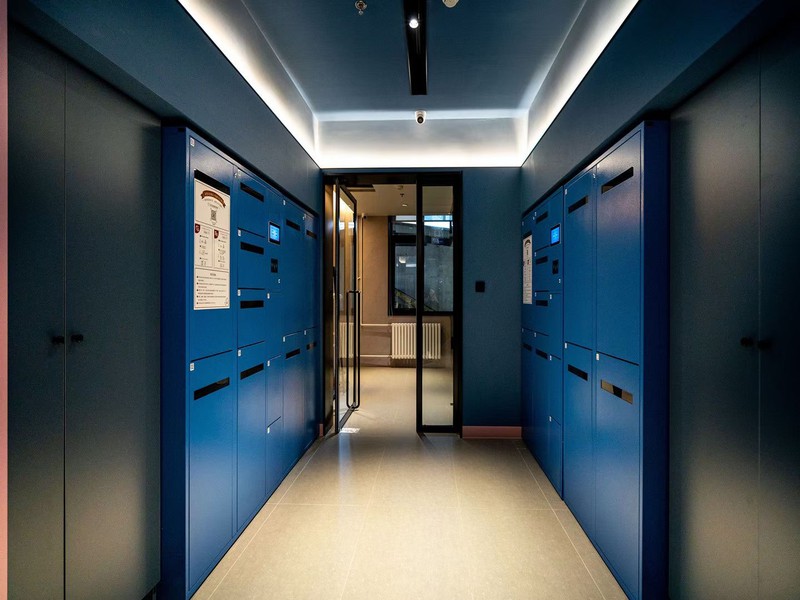
1. Why is the Chinese market starting to pay renewed attention to smart lockers?
As unmanned, self-service, and digital services gradually become important directions for the upgrading of public spaces, storage capacity is transforming from an auxiliary facility into an integral part of the service system. It impacts not only user experience but also space utilization, on-site staffing, back-end management efficiency, and subsequent operation and maintenance costs.
From a procurement perspective, smart lockers are no longer just hardware devices but a comprehensive solution centered around specific scenarios and processes. Whoever can consider front-end interaction, locker structure, payment methods, system integration, remote management, and anomaly handling together will be more likely to achieve stable results in real-world scenarios.
2. Why are smart lockers becoming an important feature for improving front desk efficiency in hotels?
The hotel industry directly impacts the impact of luggage storage services. Peak check-out times in the morning, peak check-in times in the afternoon, and nighttime staff shortages all significantly increase the pressure on manual luggage storage. Front desk staff not only handle check-in and check-out but also verify, register, and move luggage; when overwhelmed, the service experience noticeably fluctuates.
A mature smart luggage storage solution offers more than just self-service access; it helps hotels standardize, visualize, and manage the luggage storage process. For high-traffic hotels, chain hotels, hotels near tourist attractions, and business hotels, this capability is increasingly approaching the level of "service infrastructure."
3. How can the use of lockers in scenic areas improve the visitor experience and peak-hour crowd control efficiency?
In scenic areas, amusement parks, and cultural tourism projects, storage capacity directly impacts visitor dwell time and the overall experience. When visitors are carrying backpacks, shopping bags, rain gear, photography equipment, or baby supplies, inconvenient storage can disrupt their spending patterns and pace of activity. What may seem like a small detail can actually affect visitor flow, secondary spending, and customer reviews.
Compared to manual storage, the value of lockers in scenic areas lies in peak-hour capacity, efficient crowd control, self-service experience, and backend controllability. Project owners are often less concerned with individual lockers and more with the flexibility of pricing models, the reliability of outdoor structures, the smoothness of payment and door opening methods, and the ability to quickly handle network outages, door jams, and peak queue times.
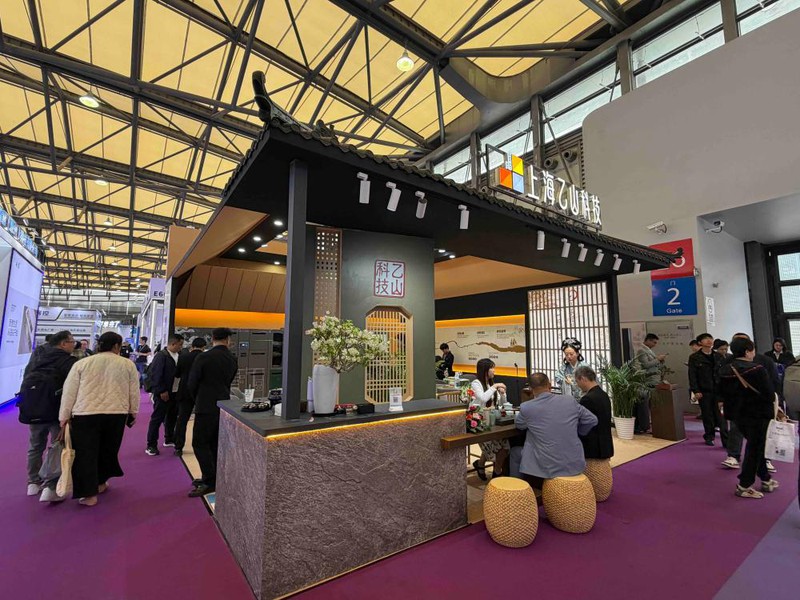
4. Why isn't a smart storage solution for commercial spaces just about buying a row of cabinets?
In commercial complexes, industrial parks, office spaces, and employee storage scenarios, storage needs are often more diverse. Visitor retrieval, employee storage, temporary storage, item handover, access control, and back-end inspection all require systematic consideration. Project owners are not purchasing a single product, but rather a long-term, usable management capability.
This is why more and more projects, when selecting solutions, no longer just compare unit prices, but further consider back-end capabilities, remote operation and maintenance, compartment combinations, access control logic, payment and QR code scanning experience, and whether it can form a closed loop with existing business systems. A truly effective solution must be designed by working backward from the on-site processes to optimize the product and system design.
5. When purchasing smart lockers, what key points should project owners focus on most?
Can the cabinet type and process be customized for different scenarios such as hotels, scenic spots, and commercial spaces?
Does it support multiple opening methods such as QR code scanning, facial recognition, passwords, and wristbands, while ensuring stability?
Does it have cloud platform, remote inspection, anomaly alarm, and after-sales response capabilities?
Can it integrate with PMS, HIS, ticketing, and internal business systems of industrial parks or enterprises?
Does it have mature delivery experience, enabling the solution to be truly implemented, rather than just remaining at the parameter level?