

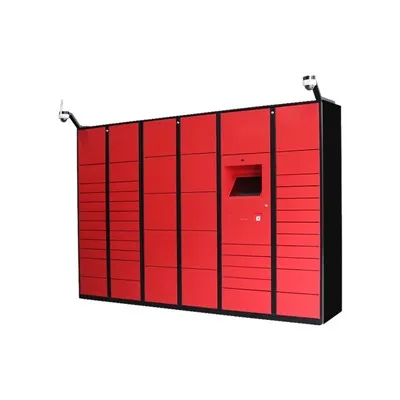


Intelligent self-service vending machine is a device that realizes the sale of goods through automation technology, which is widely used in indoor and outdoor scenarios such as shopping malls, schools, and stations. Its core function is to complete the purchase, payment and delivery of goods through the user's autonomous operation, without manual attendance. With the development of technology, modern vending machines have been upgraded from traditional mechanical to intelligent, supporting multiple payment methods, dynamically identifying goods, and having remote management capabilities.
Technical principle and core composition:
The operation of smart vending machines relies on three core modules: identification system, payment system, and cargo lane control system. The recognition system adopts dynamic vision technology to capture product characteristics (such as shape, color, barcode) through the camera, and quickly match product information with algorithms, avoiding the limitations of traditional gravity sensing or infrared recognition. After the user selects the product, the system automatically generates an order and jumps to the payment interface, and triggers the cargo motor to release the product after completing the transaction. The cargo aisle control system customizes the cargo aisle structure according to the size of the goods, ensures stability through the metal stamping and welding process, and can adapt to regular packaging of goods such as beverages and snacks.
Usage and operation process:
The user operation process is divided into four steps: first, browse the product list on the LCD touch screen or directly enter the cargo lane number; secondly, the system confirms the product information and displays the price through dynamic visual recognition; In the third step, the user selects the payment method (scan the code or swipe the face), and the system sends the unlocking instruction after completing the payment; Finally, the cargo aisle motor drives the spring or track to push the goods to the pick-up gate. The device has built-in security mechanisms, such as automatic refunds for overtime and abnormal payment interruption transactions. Routine maintenance requires regular cleaning of cargo lanes, checking screen sensitivity, and regular warranty services provided by the manufacturer.
Technical highlights and actual performance:
Compared with traditional vending machines, smart devices significantly improve the experience in three aspects: first, the accuracy of dynamic visual recognition reaches 99.5%, which can identify tilted, occluded or deformed goods; second, the payment response time is shortened to 0.3 seconds, and offline payment cache is supported; third, the thickened metal stamping process is adopted, and the corrosion resistance of the fuselage is increased by 3 times, adapting to humid or high-temperature environments. In addition, the equipment is equipped with its own operating system, which supports remote monitoring of inventory, price adjustment, and analysis of sales data, and merchants can grasp the operation status in real time through the background management end. Customized services allow for adjustment of equipment height and aisle layout according to site dimensions, further optimizing space utilization.
How Smart Vending Machines Work
Jan 07, 2026
Leave a message