

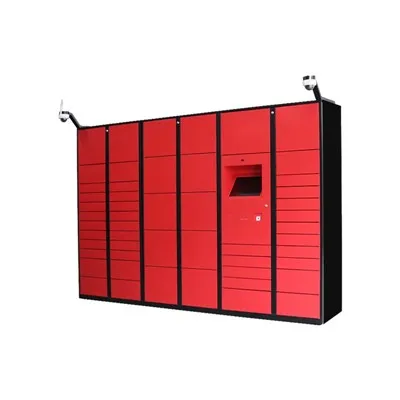


Start With the Hotel Guest Journey
A hotel luggage locker layout should follow the guest journey rather than an available corner. Begin by mapping the moments when storage is requested: early arrival, temporary storage before check-in, late departure, luggage collection after checkout, group arrival, event-related traffic, and staff-assisted exceptions. Each moment may have a different queue, access need, and time pressure.
Next, map the movement around the locker. Guests need to identify the unit, place or retrieve luggage, and leave without blocking reception or corridors. Staff need a practical route for supervision, cleaning, emergency support, and service. If the locker is placed too far from the main guest journey, it may be difficult to find. If it is placed directly in a narrow lobby, it may create congestion at peak times.
Plan the Door Mix Around Real Luggage
Hotels should avoid designing a locker bank only around an average suitcase. Guest luggage can include cabin bags, medium suitcases, large cases, backpacks, strollers, shopping bags, and equipment related to a particular destination. The project team should collect representative luggage dimensions and decide which items belong in a locker and which items require a separate service process.
Door mix is also connected to revenue and operating policy. A hotel may use one price or service rule for all compartments, or it may separate sizes and time periods. The correct approach depends on the hotel's guest policy and the approved product configuration. A supplier should not assume capacity, weight, payment, or access functions without confirmed product information.
Four Layout Questions for Hotel Buyers
1. Is the locker guest-facing or staff-assisted?
Self-service storage requires clear wayfinding, simple access instructions, and enough personal space around the cabinet. A staff-assisted process may allow a different location and a different responsibility model. Decide which journey the locker is intended to support before choosing the interface and placement.
2. How will early arrivals and late departures be separated?
If both groups use the same locker bank, the hotel should define the time window, record, notification, and exception process. This makes it easier to prevent space from being occupied beyond the intended period and helps staff respond consistently when a guest returns late.
3. Where will staff manage exceptions?
Guests may lose an access code, forget a compartment, leave an item beyond the agreed period, or request help when the front desk is busy. The project brief should identify who can provide assistance, what authority is needed, and how the event is recorded. The exact process must match the confirmed software and operating design.
4. How will the layout support housekeeping and service?
The surrounding area needs to remain clean, visible, and accessible. Consider floor cleaning, lighting, ventilation, service access, replacement work, and the route for moving a cabinet or component. These practical details are easy to miss when the layout is evaluated only from the guest's first view.
Hardware, Software, and Hotel Responsibilities
A hotel luggage locker project usually involves more than the cabinet. It may also involve access rules, guest communication, payment or booking policy, staff permissions, records, signage, network conditions, and the responsibilities of the hotel team. During procurement, separate what the locker supplier provides from what the hotel, property contractor, payment provider, or integration partner must provide.
At YS LOCKER, we recommend discussing these boundaries early. Our team can review the intended guest flow, storage mix, site conditions, and project requirements, then identify which hardware, software, customization, or integration questions require confirmation. A final recommendation should follow the approved configuration and site information.
How to Prepare a Hotel Luggage Locker Brief
Record the hotel type, property layout, guest profile, and peak arrival or departure periods.
List representative luggage sizes and the percentage of oversized or exceptional items.
Mark possible installation areas with photos, dimensions, routes, and service access.
Describe guest access, staff assistance, time limits, notification, and exception handling.
Identify any payment, booking, identity, property-management, or network requirements.
Ask suppliers to distinguish confirmed functions from options that require engineering or software review.
FAQ
Where should a hotel install luggage lockers?
Common options include a lobby, concierge zone, luggage room, entrance area, or a dedicated guest-service space. The right location depends on guest flow, visibility, security, available space, access hours, and staff responsibilities.
What luggage sizes should a hotel locker include?
Use the property's real luggage profile. Include cabin, medium, large, and exceptional items in the planning discussion, then match the required door mix with the approved cabinet configuration.
Should hotel staff have a separate access process?
Many hotels need an exception and service process that is different from ordinary guest access. Define the staff roles and required records with the supplier before treating a management function as confirmed.
Can YS LOCKER help with a hotel layout discussion?
Yes. Share the floor plan, photos, luggage profile, guest flow, access policy, and any software or integration needs. YS LOCKER can use this information to structure a product and configuration discussion, subject to final technical confirmation.