

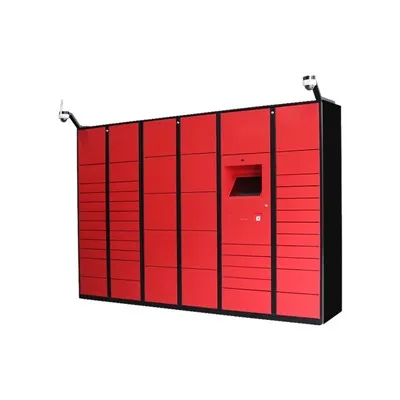


Map the Visitor Journey Before Choosing the Cabinet
Start at the point where visitors decide that they need storage. This may be near the entrance, ticketing area, changing rooms, ride zone, family service desk, or a dedicated storage area. Mark the path from arrival to locker use, then consider how the same visitor will return to collect items at the end of a visit.
Peak periods matter. Entry surges, school holidays, weekends, group arrivals, weather changes, and end-of-day departures can create different demands. A locker bank that works during a quiet hour may create queues when a large group arrives. The brief should therefore include expected peak flow, collection windows, signage, accessibility, and the distance between the locker and the attractions or service areas.
Define the Storage Mix for Families and Visitors
Visitors may bring backpacks, handbags, jackets, shoes, shopping bags, strollers, towels, and other personal items. Water-park visitors may also carry wet clothing or items that need special handling. The project team should identify which items the lockers are intended to accept and which items require a different operating rule.
Use representative item dimensions to guide the door mix. Family groups may need larger compartments, while individual visitors may prefer smaller units. The final mix should be based on the venue's visitor profile and approved product data rather than an assumed standard ratio. Include the access side, loading height, viewing angle, queue space, and collection time in the review.
Environmental Questions for Water-Park and Wet-Area Projects
A wet-area project needs a clear environmental brief. Identify splash exposure, humidity, cleaning chemicals, drainage, floor conditions, ventilation, direct sunlight, and the distance from pools or water attractions. These factors should be provided to the supplier so the appropriate material, finish, installation, and maintenance boundaries can be reviewed.
Do not treat a general product image or a broad phrase such as outdoor use as proof of suitability for every water-park location. Ask for the applicable product specification, environmental limits, cleaning guidance, and any engineering recommendations. If the site conditions exceed the approved limits, the project needs a different design or a different location.
Access, Payment, and Guest Support
Visitor lockers can use different access and payment models depending on the venue. The operator may provide free storage, paid rental, timed use, wristband or ticket-based access, code-based access, or a process supported by a staff member. Each option changes the guest journey and the required management responsibilities.
Before selecting a system, define what happens when a visitor forgets an access method, leaves an item after closing, opens the wrong compartment, requests a refund, or needs help during a busy period. The exact access, payment, notification, record, and emergency functions must be confirmed against the chosen product and software configuration. A supplier should separate confirmed functions from optional or integration-dependent functions.
Specification Checklist for Theme Parks and Water Parks
-
Venue type, visitor profile, peak arrival pattern, and expected daily turnover.
- Installation locations, queue area, accessibility route, lighting, signage, and visibility.
- Typical bags, family storage needs, oversized items, wet items, and prohibited items.
- Environmental exposure, cleaning method, drainage, humidity, and material or finish requirements.
- Access method, payment policy, time limits, lost-access process, and staff permissions.
- Software, notifications, records, reporting, network, integration, and service ownership.
- Cleaning, inspection, emergency response, end-of-day collection, and maintenance access.
How YS LOCKER Can Enter the Project Discussion
YS LOCKER can discuss luggage locker requirements with overseas venue operators, project owners, architects, distributors, and system integrators. The most useful project inputs include the venue layout, visitor journey, peak volume, storage mix, environmental conditions, access or payment model, and expected management workflow. With these details, we can help organize the questions for product selection, configuration, customization, and integration review.
Specific claims about waterproofing, corrosion resistance, payment, software, access, or performance should follow the confirmed product and engineering information for the proposed project. This keeps the specification useful and protects the operator from relying on assumptions that were not tested or approved.
FAQ
Are the same luggage lockers suitable for a theme park and a water park?
Not automatically. The visitor flow may be similar, but water exposure, cleaning, humidity, materials, drainage, and installation conditions can be different. Confirm the site environment and product limits before selecting a configuration.
How should a park plan locker capacity?
Use visitor volume, peak arrival patterns, group size, expected turnover, bag dimensions, and the number of storage locations. Review both the average day and the busiest operating periods.
What should happen when a visitor loses access?
The venue should define an authorized staff process, identity or booking check, exception record, and responsibility for the item. The exact system workflow must be confirmed with the selected hardware and software.
What information does YS LOCKER need for a preliminary review?
Share the layout, photos, attraction or changing-area location, visitor flow, peak demand, bag mix, environmental conditions, access model, and any payment or integration requirements.